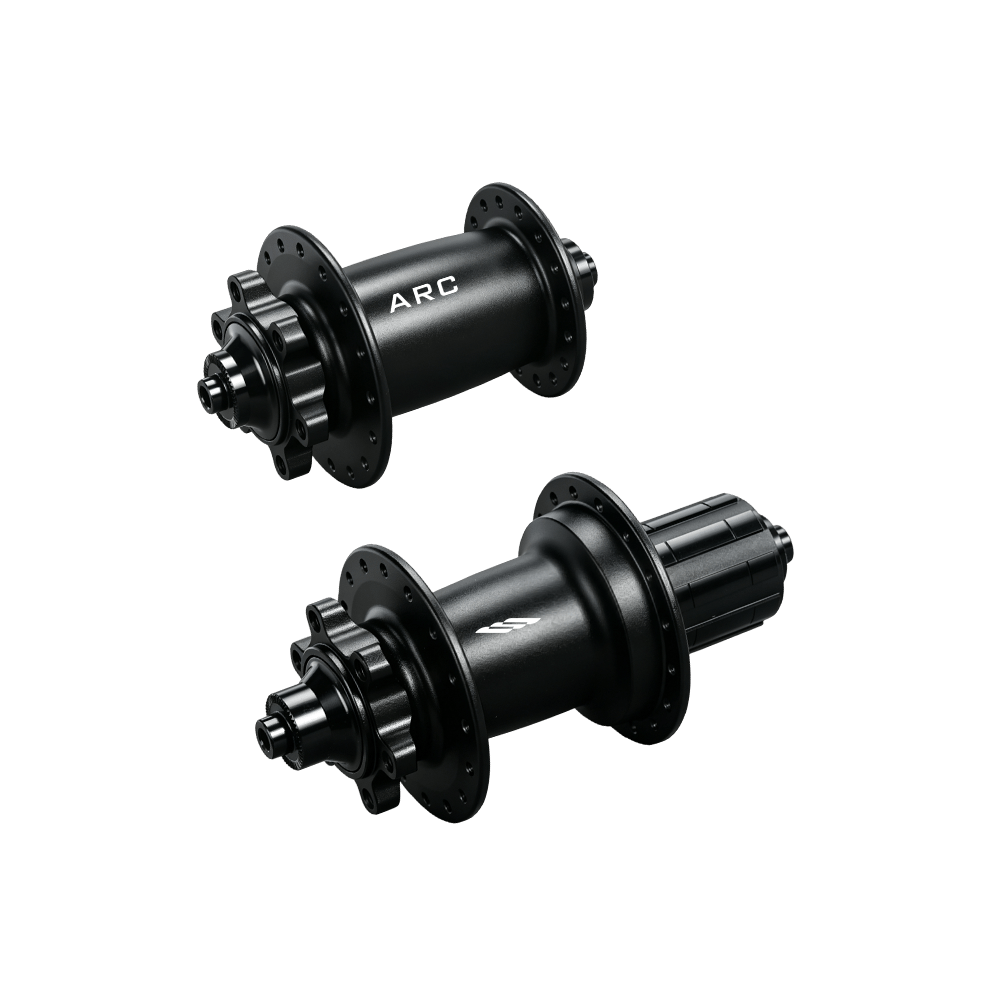
A bicycle hub is the central component of a wheel, connecting the rim and spokes to the bicycle frame or fork while allowing the wheel to rotate smoothly. The rear hub also transfers pedaling power to the wheel through its freehub and engagement mechanism.
For bicycle brands, wheel manufacturers, and OEM buyers, hub selection goes beyond weight or appearance. Axle compatibility, freehub standards, bearing quality, and spoke configuration all influence wheel performance, durability, and manufacturing efficiency.
This guide explains how bicycle hubs work, their main types, and the specifications to consider before selecting a hub for production.
1. How Does a Bicycle Hub Work?
A bicycle hub supports wheel rotation around a fixed axle through an internal bearing system. Spokes connect the hub shell to the rim, creating the structural foundation of the wheel.
Front and rear hubs perform different functions:
- Front hub: Supports wheel rotation and transfers steering and braking loads between the wheel and fork.
- Rear hub: Supports wheel rotation and incorporates a drivetrain interface to transfer pedaling torque to the wheel.
On most derailleur-equipped bicycles, the rear hub uses a freehub mechanism that engages during pedaling and allows the wheel to continue rotating while coasting.
2. What Are the Main Types of Bicycle Hubs?
Hub designs vary according to bicycle application, drivetrain requirements, and riding conditions.
Road and Gravel Bike Hubs
Road and gravel hubs are typically designed to balance low weight, stiffness, and reliable performance. Common features include 12×100mm front and 12×142mm rear thru-axle configurations, although other standards exist.
High-performance designs may also support straight-pull or carbon spokes.
Mountain Bike Hubs
MTB hubs are built for demanding off-road conditions, where impact resistance, torque transmission, and engagement response are important.
Common configurations include 15×110mm front and 12×148mm rear Boost spacing. Rear hubs may use pawl or ratchet engagement systems depending on the intended application.
E-Bike Hubs
E-bike hubs must be selected according to drivetrain architecture, torque requirements, and operating loads.
For mid-drive e-bikes, rear hub engagement durability and load capacity deserve particular attention. Hub-motor e-bikes use a different architecture that integrates the motor into the wheel hub.
Fixed-Gear and BMX Hubs
Fixed-gear hubs provide a direct drivetrain connection without the conventional coasting function. BMX hubs use application-specific axle, driver, and engagement configurations to support different riding styles.
3. What Are the Main Components of a Bicycle Hub?
Understanding hub construction helps buyers evaluate product specifications and maintenance requirements.
| Component | Main Function |
|---|---|
| Hub shell | Connects spokes and supports the hub structure |
| Axle | Provides the mounting and load-bearing interface |
| Bearings | Allow smooth rotation under radial and axial loads |
| Freehub body | Supports the cassette on compatible rear hubs |
| Pawl or ratchet mechanism | Engages drivetrain torque and allows coasting |
| End caps | Interface with the frame or fork and axle system |
| Spoke flanges | Provide attachment points for wheel spokes |
Not every hub uses the same components. Fixed-gear and certain specialty designs have different drivetrain structures.
Material selection, machining accuracy, bearing fit, and sealing design all contribute to long-term hub reliability.
4. Which Bicycle Hub Specifications Matter Most?
For OEM purchasing and wheel development, compatibility should be verified before comparing secondary performance features.
Axle Standards
Common standards include:
- Road disc: 12×100mm front / 12×142mm rear
- MTB Boost: 15×110mm front / 12×148mm rear
- Traditional MTB QR: 9×100mm front / 10×135mm rear
Axle diameter, hub spacing, and mounting type must match the intended frame or fork.
Freehub Compatibility
Common cassette interfaces include Shimano HG, Shimano Micro Spline, SRAM XD, and SRAM XDR.
The correct freehub depends on the specific cassette, not simply the number of speeds.
Brake Interface
Disc brake hubs commonly use either Center Lock or 6-bolt rotor mounting. The hub must match the specified rotor interface.
Spoke Configuration
Spoke hole count and spoke type must match the rim and wheel design. Common options include 24H, 28H, 32H, and 36H, with J-bend, straight-pull, and application-specific carbon-spoke interfaces.
Engagement System
Rear hubs commonly use pawl or ratchet mechanisms. Engagement is often described using points of engagement (POE) or ratchet tooth count.
Higher engagement frequency reduces the crank rotation required before torque transfer begins, but durability, serviceability, and overall mechanism design also matter.
5. How Should OEM Buyers Choose a Bicycle Hub?
Before requesting samples or quotations, bicycle brands and purchasing teams should confirm:
- Intended bicycle application and operating conditions
- Front and rear axle specifications
- Cassette and brake rotor compatibility
- Spoke type, hole count, and rim requirements
- Engagement system and bearing preferences
- Testing requirements, customization needs, and order quantities
A complete specification helps suppliers recommend appropriate configurations, reduces compatibility errors, and makes sample evaluation more efficient.
6. Bicycle Hub Solutions for OEM Projects
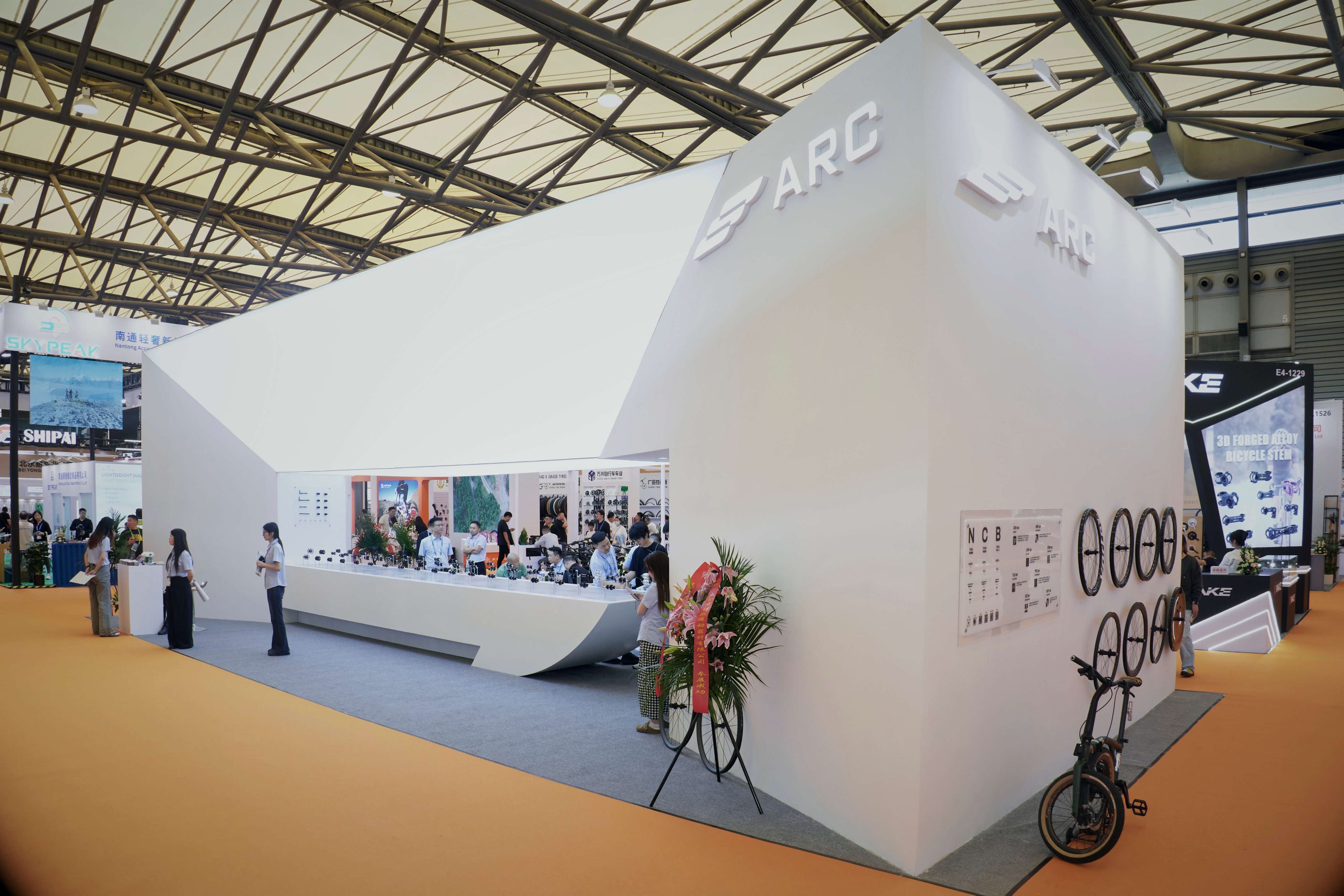
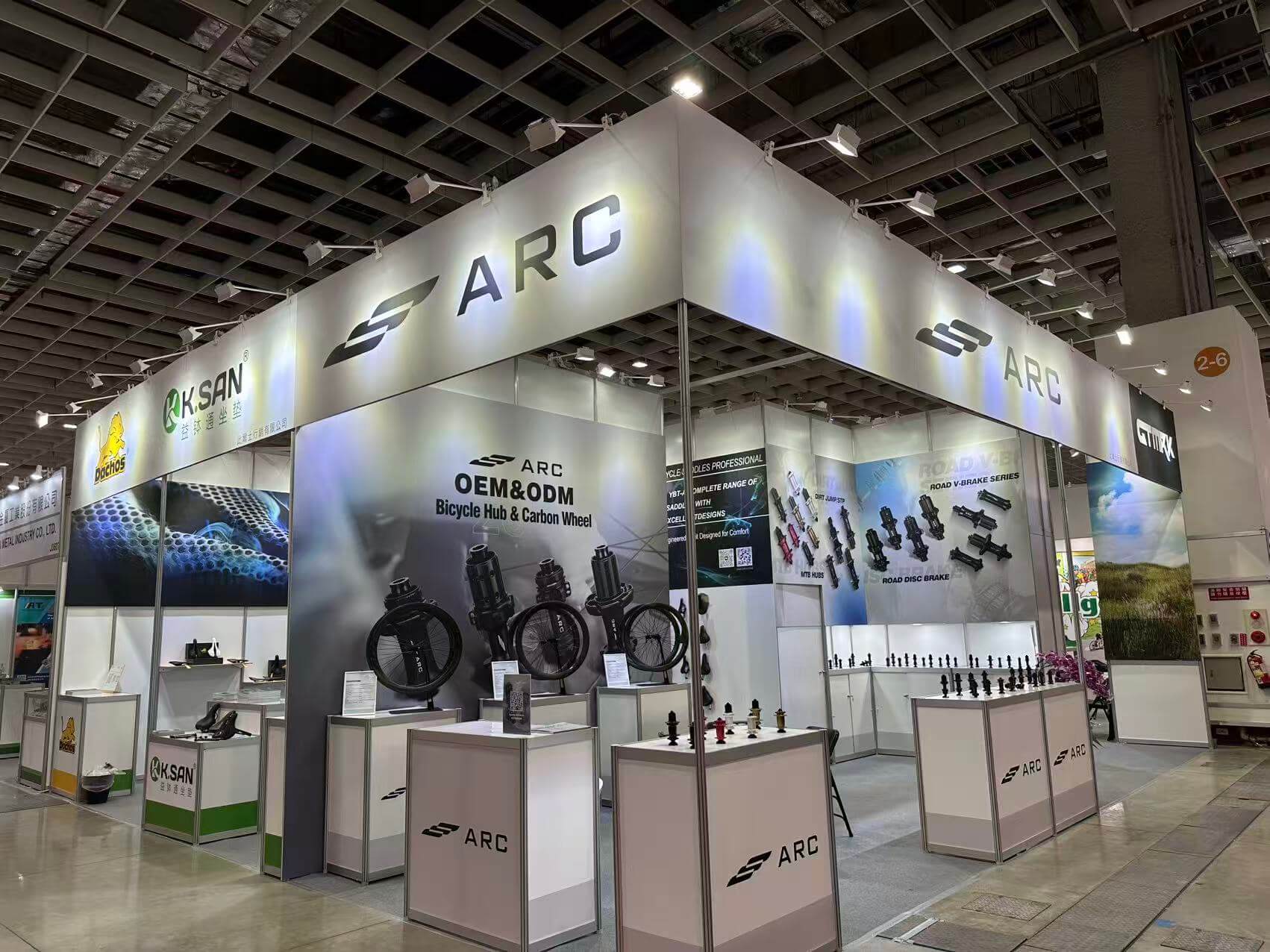
ARC develops and manufactures bicycle hub solutions for bicycle brands, component distributors, and OEM wheel projects.
Its product portfolio includes MTB hubs and road hub designs with different axle, spoke, freehub, and engagement configurations.
Buyers can explore the ARC product range to identify suitable hub platforms and confirm technical requirements before sample development.
Conclusion
A bicycle hub is more than the center of a wheel. Its structure determines how the wheel rotates, connects to the bicycle, and transfers driving or braking loads.
For professional buyers, the right hub starts with correct compatibility, suitable mechanical design, and consistent manufacturing quality.
Understanding these fundamentals creates a stronger foundation for comparing bicycle hub specifications and selecting reliable products for OEM manufacturing.